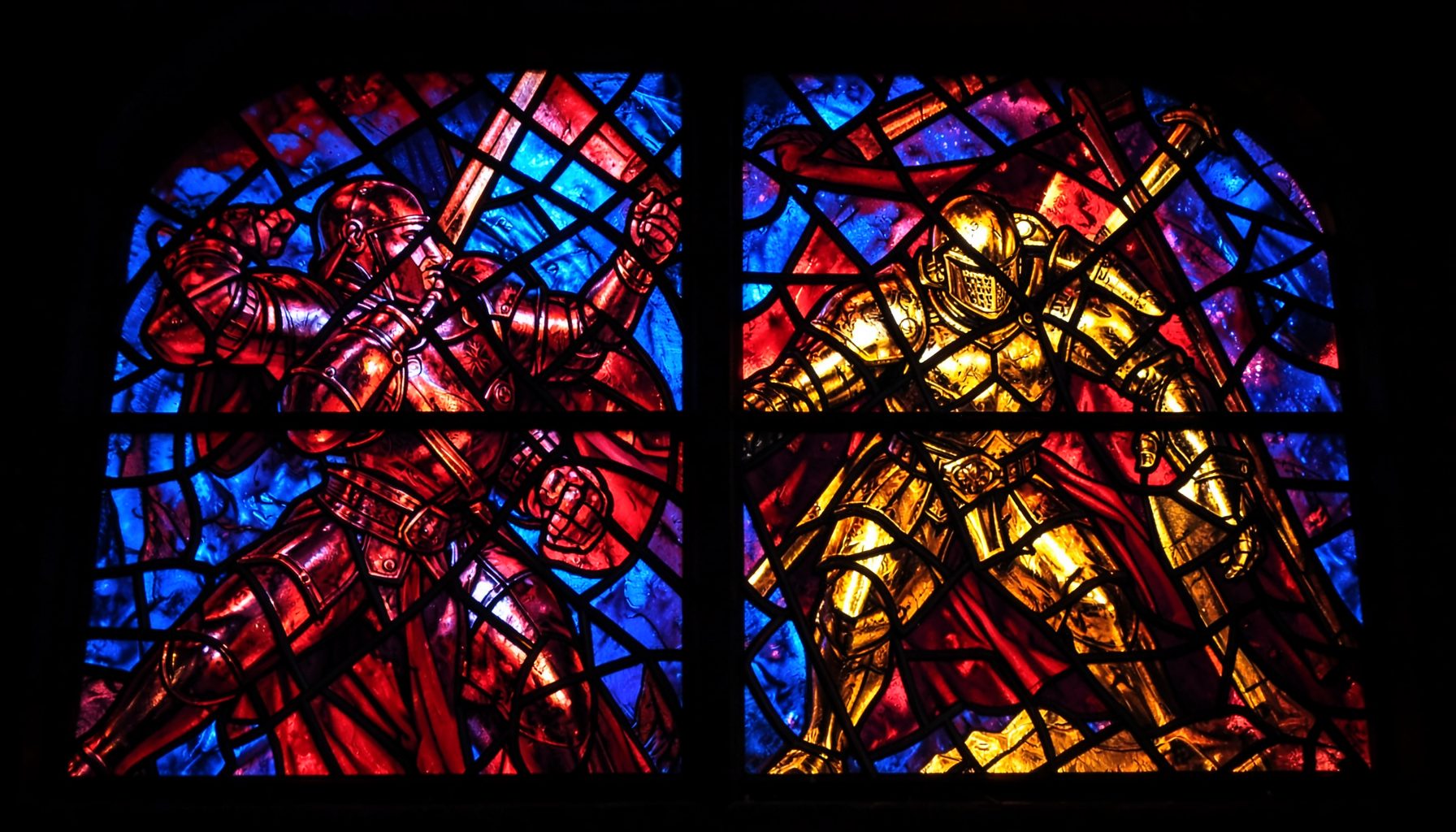
Democratic Federation
National associations and legal organisations working together for the growth of medieval combat as a sport.
World Championship
Annual international competition featuring one-on-one duels and national team melee battles for gold medals.
Historical Authenticity
All armour and weapons must match historical examples — no modern materials, rigorously checked for safety.
What Is Medieval Combat?
Medieval combat is a martial art sport strictly related to medieval history. Trained fighters compete under qualified marshals using rules and regulations developed through many years of practical experience. Safety requirements for equipment, judging standards for duels and group battles, and fighter conduct are all carefully governed.
The International Medieval Combat Federation exists to bring together fighters, fans, and national associations from around the world under one shared passion: the sport of historical medieval combat. This is not a reenactment or a staged performance—it is a genuine athletic discipline where trained competitors step into the lists wearing authentic armour and wielding period-correct weapons. The federation was built on the belief that medieval martial arts deserve the same respect and structure as any modern sport, with clear rules, rigorous safety standards, and a democratic framework that gives every member nation a voice in how the sport grows and evolves.
At the heart of the federation's mission is the democratic principle that guides all decision-making. National associations and legal organisations work side by side, contributing to the development of regulations, event formats, and competitive standards. This collaborative model ensures that no single country dominates the sport and that the rules remain fair, transparent, and consistently applied. By empowering its member nations, the federation has created a truly international community where fighters from different cultures and backgrounds can meet on equal ground and test their skills against one another.
Perhaps the most anticipated event on the calendar is the annual World Championship, a gathering that draws competitors and spectators from across the globe. The tournament features two primary formats: one-on-one duels where individual skill and technique take centre stage, and national team melee battles where whole squads clash in coordinated combat. Gold medals, titles, and the honour of being named world champion are all on the line, and the atmosphere during these competitions is electric, with roaring crowds and a palpable sense of history being made in every exchange.
Historical authenticity is the cornerstone of the sport, and the federation enforces this standard with unwavering strictness. Every piece of armour and every weapon used in competition must match documented historical examples—no modern materials, no shortcuts, no creative liberties that would compromise the integrity of the fighting. At the same time, safety is never sacrificed in the name of authenticity. Marshals and judges are trained to inspect all equipment thoroughly, and rigorous safety protocols are developed and refined each year to protect fighters while preserving the genuine medieval experience.
Medieval combat is far more than a display of brute force. It demands technical skill, strategic thinking, physical conditioning, and mental discipline. Fighters must learn to read their opponents, manage their stamina, and adapt their techniques in the heat of battle. The sport engages every sense and challenges participants on multiple levels, making it one of the most demanding and rewarding athletic pursuits available today. For those who step into the arena, the experience is immersive, intense, and deeply fulfilling.
The federation has been instrumental in developing a clear and comprehensive model for how medieval combat competitions should be structured. From the categories of competition to the expectations placed on fighters and officials, every detail has been carefully considered and documented. This structure allows newcomers to understand exactly what to expect when they join, while giving experienced competitors a consistent framework within which to hone their craft. The result is a sport that is both accessible to beginners and endlessly challenging for veterans.
Choosing to participate in medieval combat is a decision that comes with numerous rewards. Fighters gain not only physical strength and skill but also a profound connection to history and a sense of belonging to a global community of like-minded individuals. The arenas where competitions take place—often set in castles, historic grounds, and purpose-built fighting spaces—add to the unique atmosphere that visitors and participants alike find unforgettable. It is an experience that stays with you long after the final bout has ended.
Spectators play an essential role in the life of the sport, and the federation recognises the importance of cultivating a passionate and knowledgeable audience. Exciting tournaments draw crowds who come to witness the raw power and artistry of medieval combat up close. The energy of the crowd feeds the fighters, creating a cycle of excitement that defines the essence of the championships. For visitors, watching a melee unfold or a duel reach its decisive moment is an experience unlike any other in the world of sport.
The vision of the federation extends beyond individual competitions. It is about building something lasting—a worldwide movement that celebrates martial heritage, promotes discipline and respect, and brings people together across borders. As the sport continues to grow, the federation remains committed to welcoming new member nations, supporting the development of new fighters, and ensuring that the spirit of medieval combat is preserved for generations to come. This is a family in the truest sense, united by shared values and a love for the fight.
More Than Fighting
Beyond the competition, the IMCF offers a unique atmosphere — a family-like community of fighters, marshals, organisers, and enthusiasts who share a passion for medieval history. The federation welcomes national associations from Europe, the Americas, Asia, Oceania, and Africa.
The World Championship
The IMCF brings together the best fighters from across the globe to compete in historical medieval combat.
Competition Categories
Competitors battle in 3 different one-on-one categories. National teams face off in 4 different melee categories, fighting for gold medals and world champion titles.
Armour & Weapons
All armour must match historical examples from effigies, art, or existing historic pieces. Modern materials such as plastic are not allowed. Weapons are accurate representations of medieval arms made of period-appropriate materials, with safety specifications rigorously checked.
Past Championships
The first championship was held in Belmonte, followed by Malbork (Poland), Montemor-o-velho (Portugal), Spøttrup (Denmark), the fifth anniversary at Scone Palace (Scotland), and the sixth at Ancient Kyiv Park (Ukraine).
Marshals & Safety
Marshals are trained to judge both individual duels and team melees. Safety precautions regarding edge thickness, radius of points, and striking surfaces are rigorously checked before every bout.
.jpg)
Our Community
The IMCF is built on the dedication of fighters, marshals, national representatives, and volunteers from around the world.
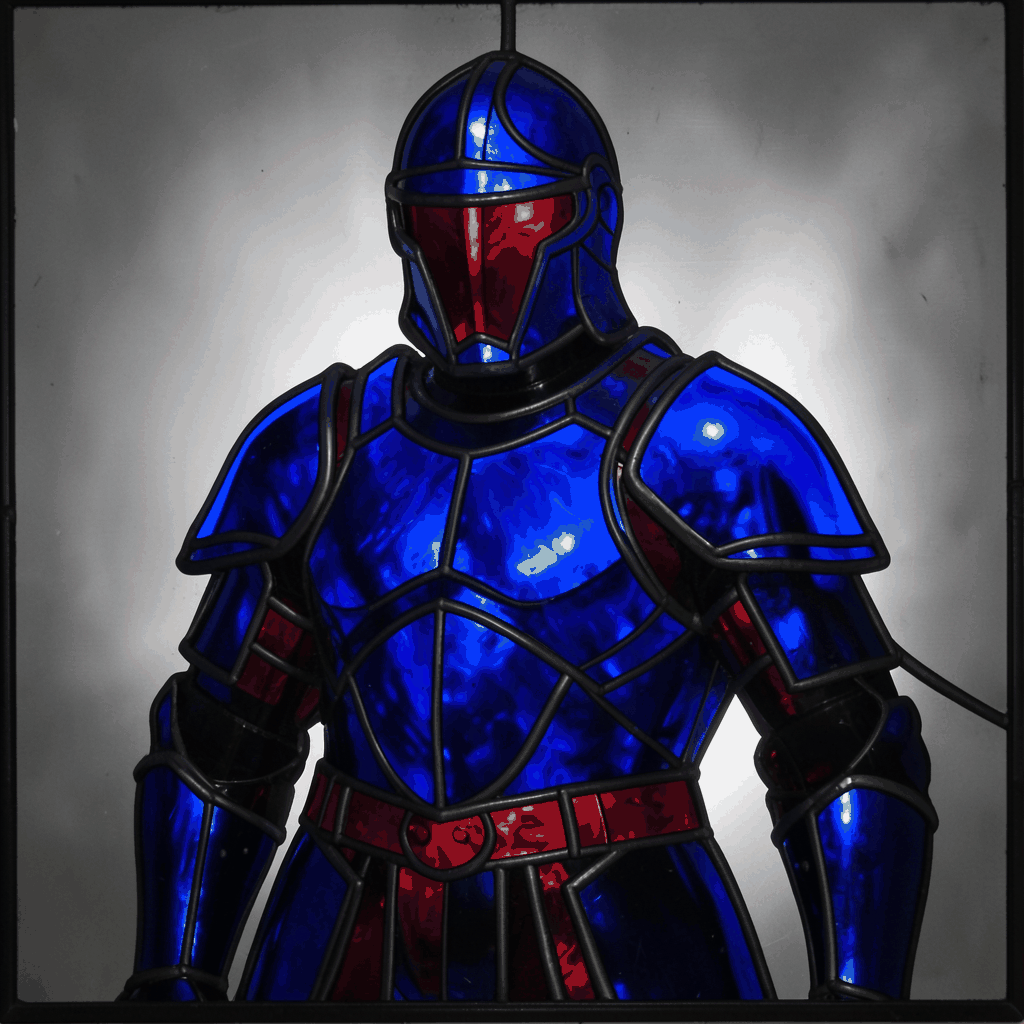
Fighters
Competing in duels and melees
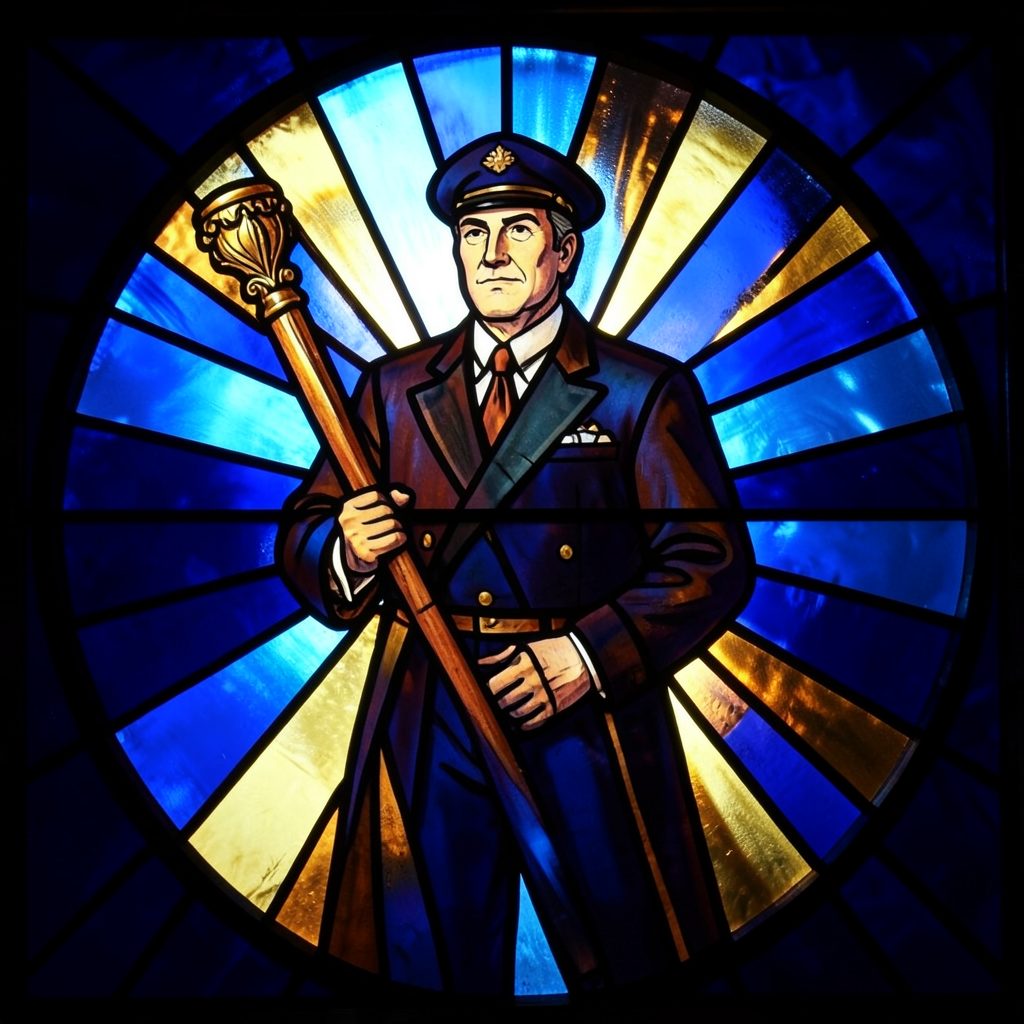
Marshals
Trained judges ensuring fair play
National Associations
Representing 25+ countries
News & Gallery
Stay up to date with the latest from the IMCF community and browse photos from past World Championships.
Latest Updates
News and event announcements from the International Medieval Combat Federation. Follow us on Facebook, Twitter, and YouTube for real-time updates.
Photo Gallery
View photos from the 2019 World Championship, organised by day across four days of competition. All photos courtesy of Jennifer Abdulla — visit snappingfiredragon.com for more.